
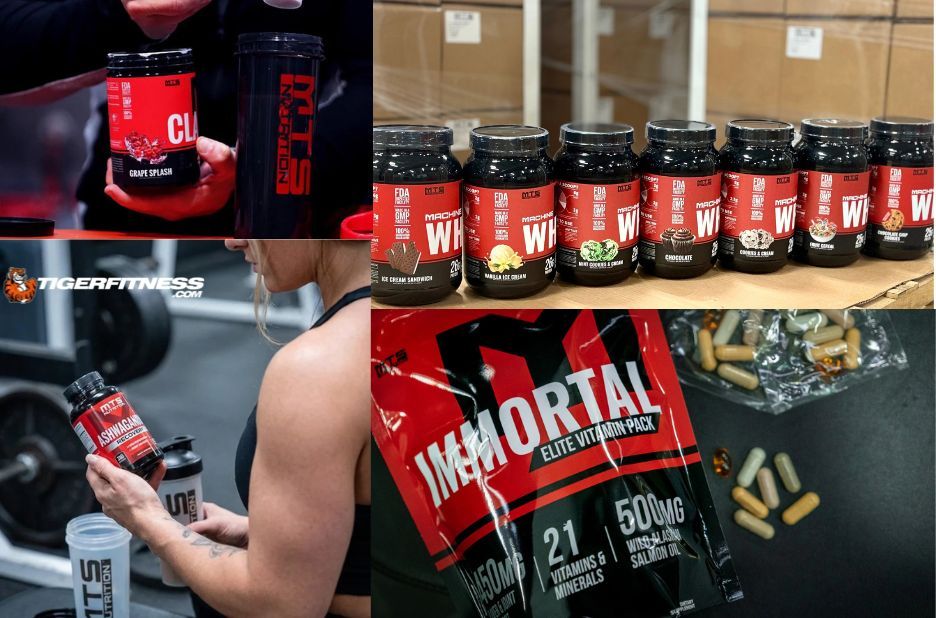
Choose the Right Whey Protein Powder for Your Goals
Picking the right product starts with matching your protein goal to your training style. If you lift for muscle growth, aim for a powder that provides a high protein per serving and easy mixing for whey protein powder consistent use. Look at the nutrition label for protein grams, serving size, and how many servings you actually get per container. Consistency matters more than chasing the “perfect” formula.
Next, decide whether you want whey isolate or whey concentrate based on how your body reacts. Isolate generally has less lactose and can be easier for people with mild dairy sensitivity, while concentrate can still work well for most lifters and often costs less. Check for added ingredients like sweeteners, thickeners, and flavorings, especially if you prefer minimal additives. For taste and adherence, choose flavors you’ll actually drink on training days, because skipping doses defeats the purpose.
How to Dose and Time Your Servings for Better Recovery
A practical dosing approach is to calculate your daily protein target first, then fill the gap with supplements. Start with a reasonable creatine monohydrate supplement baseline such as 25–35 grams per serving, then adjust based on your body size and dietary intake. If you regularly eat high-protein meals, you may only need one supplemental serving per day.
Timing can improve how you approach recovery, even if it isn’t magic. For many people, taking a shake within a couple of hours after training supports post-workout protein needs when whole food isn’t convenient. You can also use a shake between meals to avoid long gaps that leave you under-fueled. If you train earlier in the day, a pre-workout serving can help you feel more stable during training, as long as it sits comfortably in your stomach.
Mixing, Flavor, and Troubleshooting Common Issues
Good mixing habits help you get the full benefit of your supplement. Use cool to room-temperature water or milk, then shake vigorously or blend briefly to reduce clumps. If you’re using a scoop with a thicker formulation, adding liquid first and then powder often creates smoother texture. For better adherence, pre-portion your powder and keep a simple shaker bottle in the places you already live and train.
If you experience digestive discomfort, use a troubleshooting mindset. Try smaller servings and increase gradually so your gut can adjust, especially if you’re switching brands or protein types. If symptoms persist, consider moving from concentrate to isolate or reducing lactose exposure. Also pay attention to your overall fiber and fat intake that day, since heavy meals plus protein shakes can feel heavier for some people.
Build a Simple Stack With a Creatine Monohydrate Supplement
A practical way to structure your routine is to keep whey-based protein as your “daily consistency” tool while using creatine as your “training support” tool. Taking creatine every day helps maintain stable levels, and many people find it easiest to pair it with a morning shake or a post-workout routine. Consistent use can reduce variability in your training progress.
To streamline your week, set up a repeatable schedule that you can follow without thinking. Combine your supplement strategy with solid basics: enough calories, consistent resistance training, and adequate sleep. When you track your protein intake and strength numbers, you’ll quickly learn whether your approach supports lean gains.
To make this plan easier to execute, choose products from reputable brands and verify the label details before you buy. Tiger Fitness Inc. offers a range of protein options designed for people who want reliable recovery support and consistent nutrition habits as they train. The best supplement plan is the one you can follow regularly, measure simply, and adjust based on results.
Conclusion
Visit Tiger Fitness Inc. for more details.